
What are we aiming for?
At Forsbrook CE Primary, Reception is where every child’s school journey begins. Children begin their school journey with Communication and language and personal, social and emotional development are at the heart of everything we teach. We want each child to have a happy, safe and confident start to school, and to leave Reception with the knowledge, skills and love of learning that prepare them well for Year One and beyond. Reflecting our Christian vision, we value every child as a unique ‘Child of God’ and nurture them to show love, respect and joy in their learning and relationships. Every child is a special part of our Forsbrook Family.
We aim to develop children who:
- talk confidently, listen carefully and use a rich vocabulary to share their ideas
- are happy, independent and able to manage their feelings and build friendships
- can read and write using their phonics knowledge, and love sharing books and stories
- have a deep, secure understanding of numbers to 10 and the patterns within them
- are curious about the world around them, and creative and imaginative in their play
- approach new challenges with resilience, perseverance and a ‘can do’ attitude
How do we achieve this?
Our Reception curriculum follows the Early Years Foundation Stage (EYFS) statutory framework, which sets the standards for learning, development and care for children from birth to five, and our planning is informed by Birth to 5 Matters. We believe every child can succeed. Carefully planned, direct teaching is combined with rich opportunities to learn through play, indoors and outdoors, so that children practise and apply what they have been taught.
Our curriculum is organised into half-termly themes, each built around a high-quality core text that gives children a meaningful context for their learning. It is ambitious for every child and sets out the knowledge, vocabulary and skills children need by the end of Reception and sequences them carefully, so that learning builds step by step and is remembered. Rich stories, first-hand experiences and our community events widen children’s experience of the world. Phonics, maths, reading and writing are taught directly every day. Planning is flexible, so adults can follow children’s interests and respond quickly to what each child needs next.
By the end of Reception, we want every child to be a confident communicator, an early reader and writer, secure in their understanding of number, and ready for the Year One curriculum. Rooted in our Christian vision, we want them to show love, respect and joy in their learning and in their relationships with others.
The seven areas of learning:
PRIME AREAS: THE FOUNDATION FOR ALL OTHER LEARNING
Communication and Language
Listening, attention, understanding and speaking. Talk underpins learning in every other area.
Personal, Social and Emotional Development
Managing feelings and behaviour, looking after ourselves and building warm relationships.
Physical Development
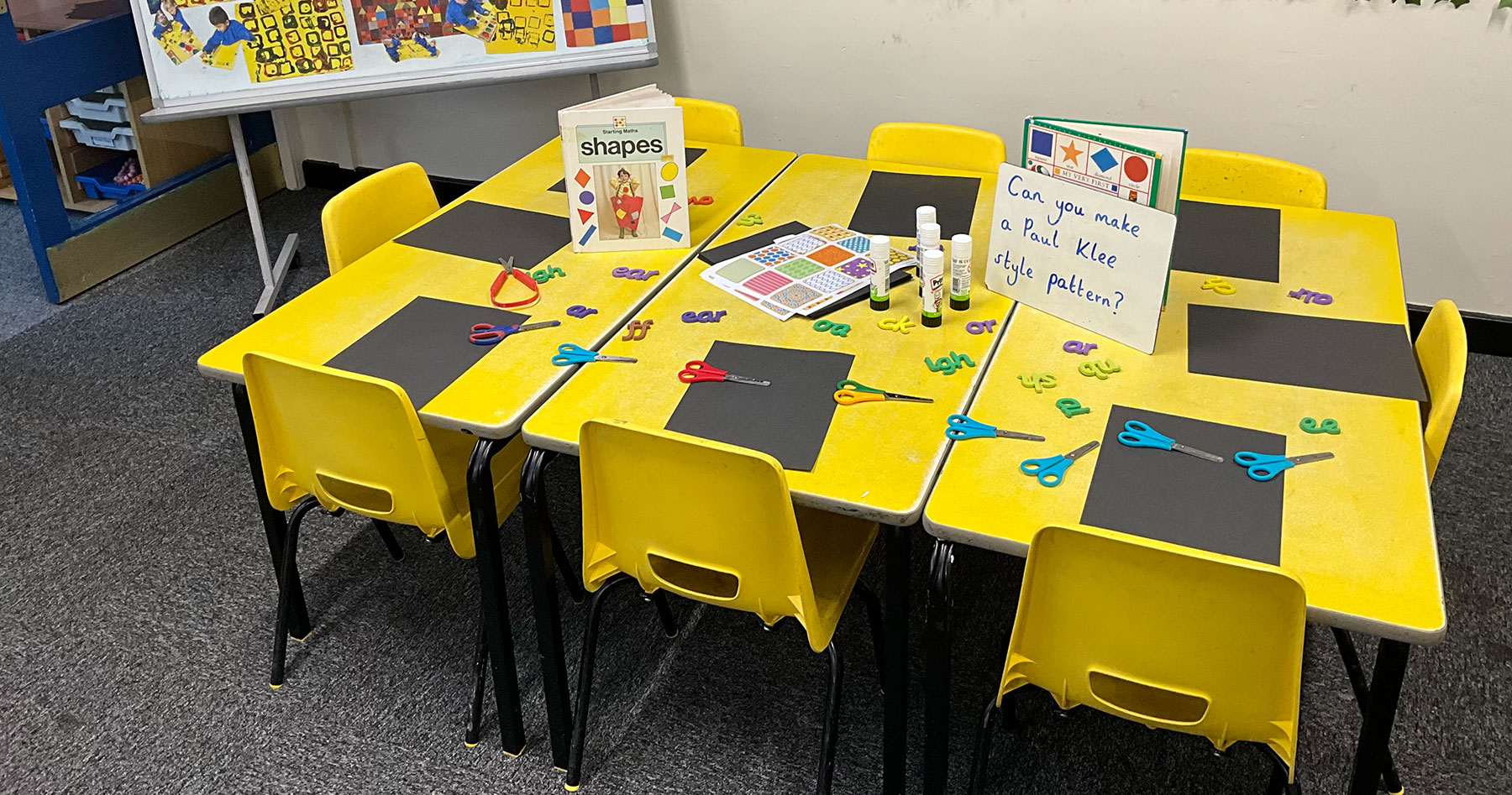
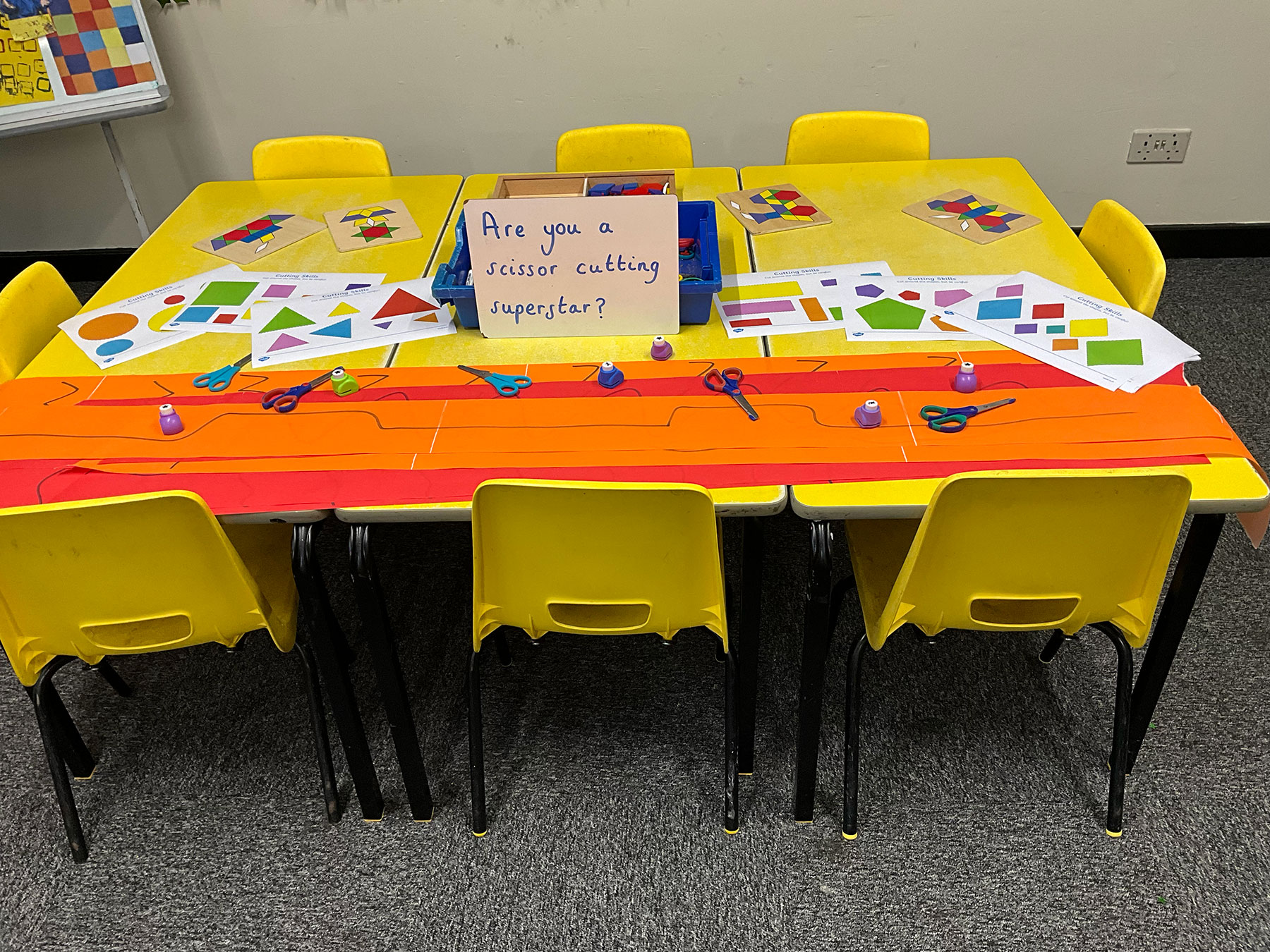
Gross motor skills such as balancing and climbing, and fine motor skills such as using a pencil and scissors.
SPECIFIC AREAS: BUILDING ON STRONG FOUNDATIONS
Literacy
Enjoying and understanding stories, reading words using phonics, and early writing.
Mathematics
A deep understanding of number to 10 and spotting, copying and creating patterns.
Understanding the World
Past and present; people, culture and communities; and the natural world.
Expressive Arts and Design
Creating with materials, music, dance and role play, and being imaginative and expressive.
The characteristics of effective learning:
Playing and Exploring
Children investigate, try things out and ‘have a go’.
Creating and Thinking Critically
Children have their own ideas, make links and find ways to solve problems.
Physical Development
Gross motor skills such as balancing and climbing, and fine motor skills such as using a pencil and scissors.
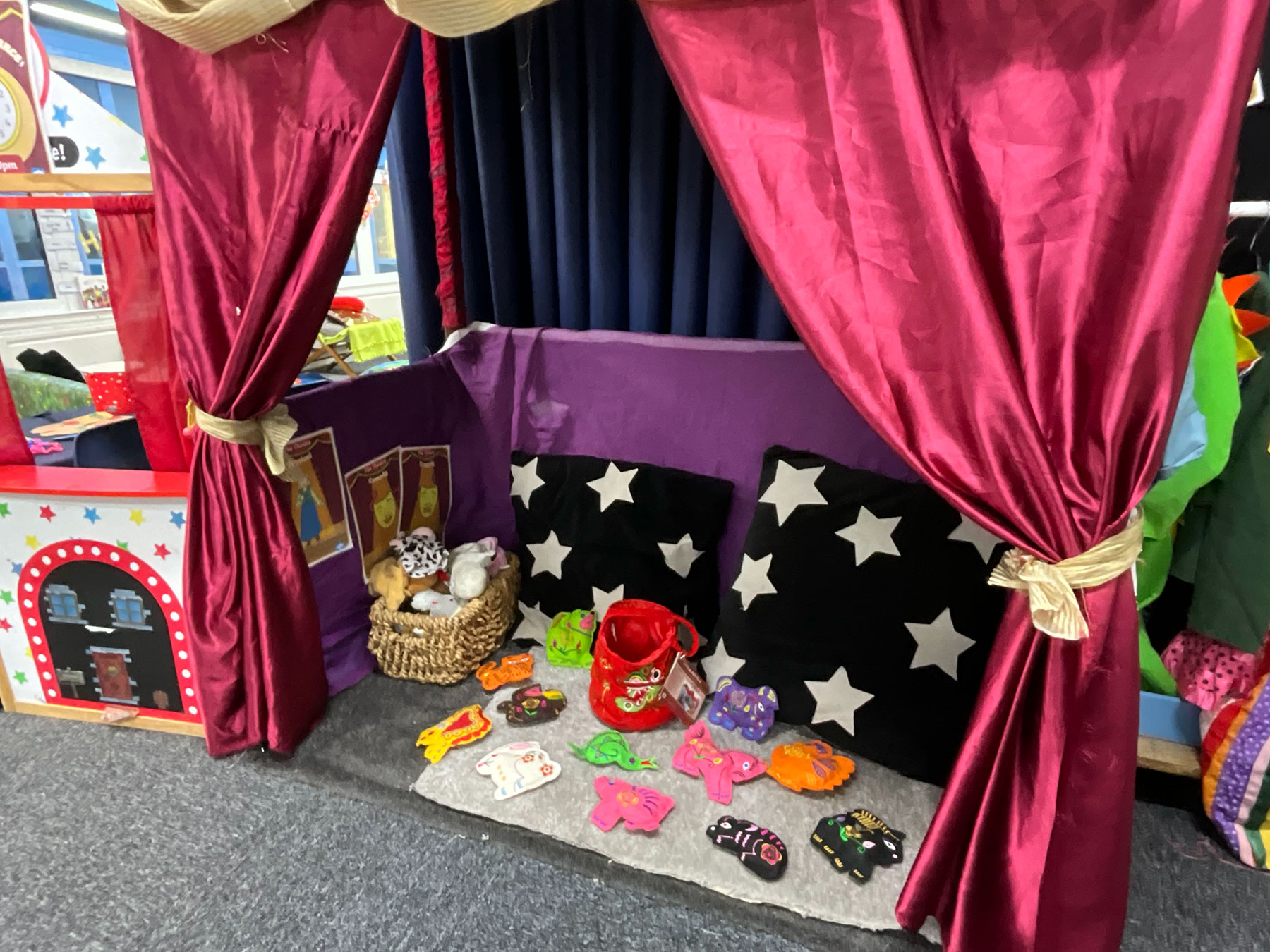
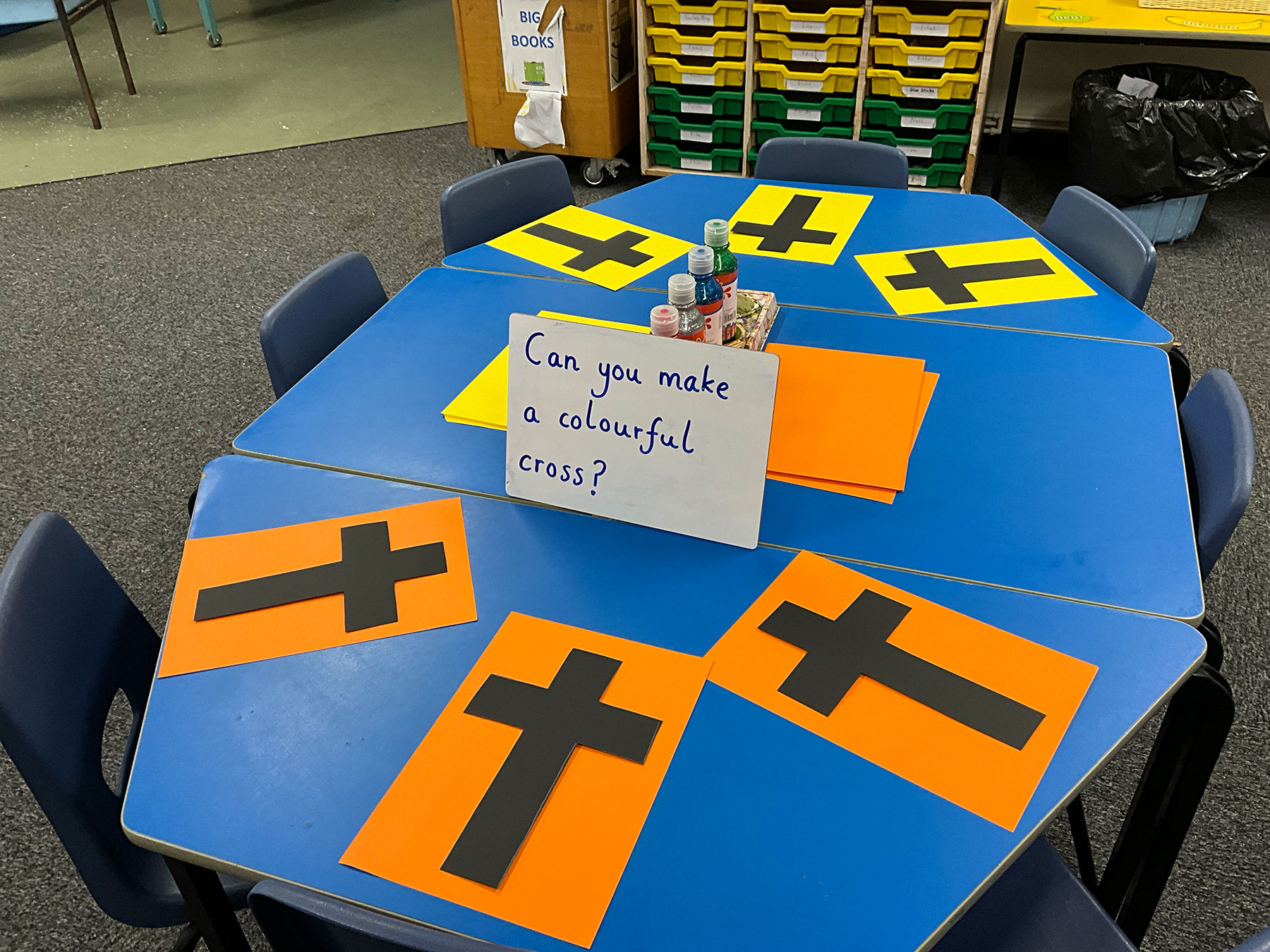
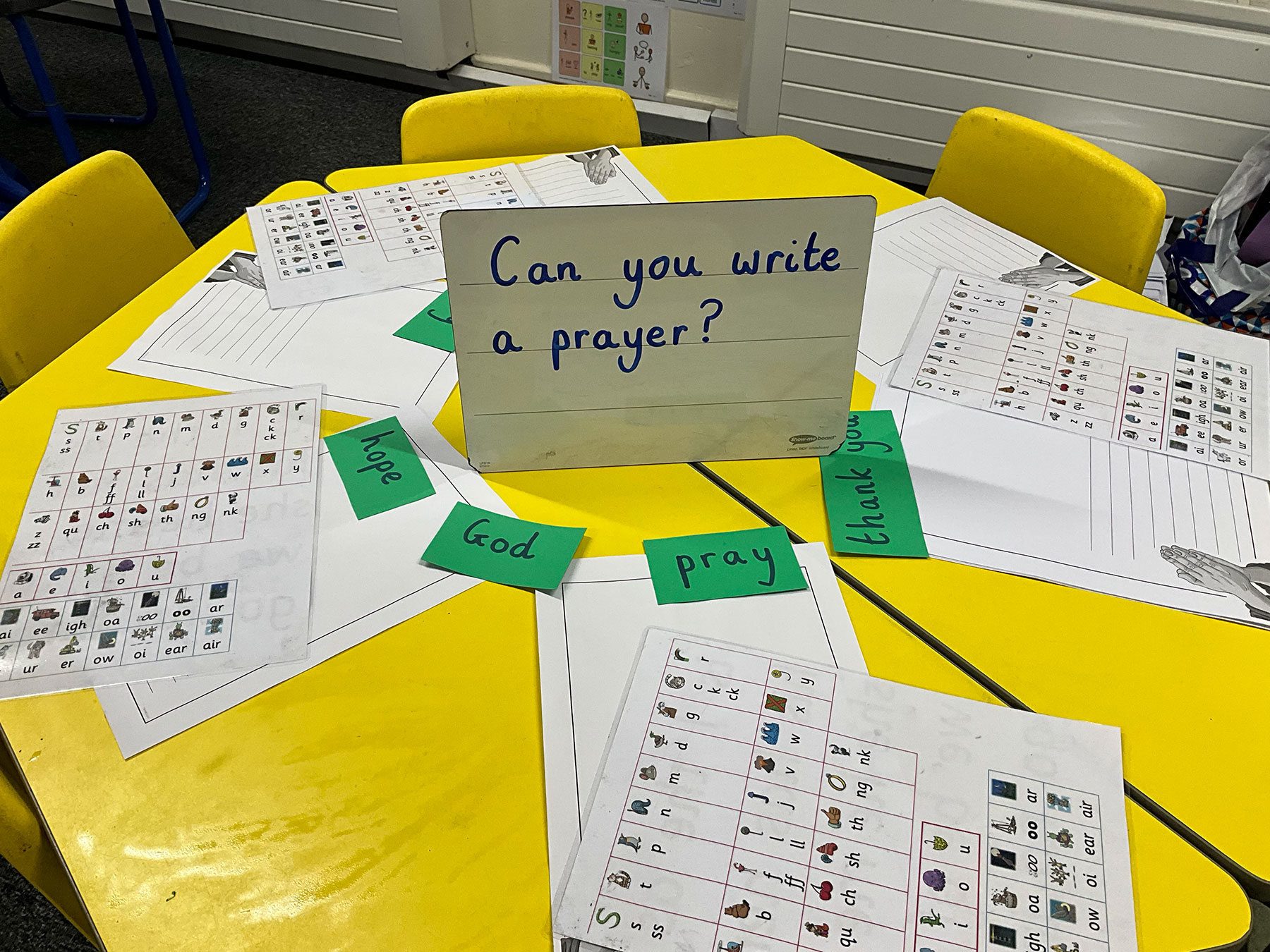
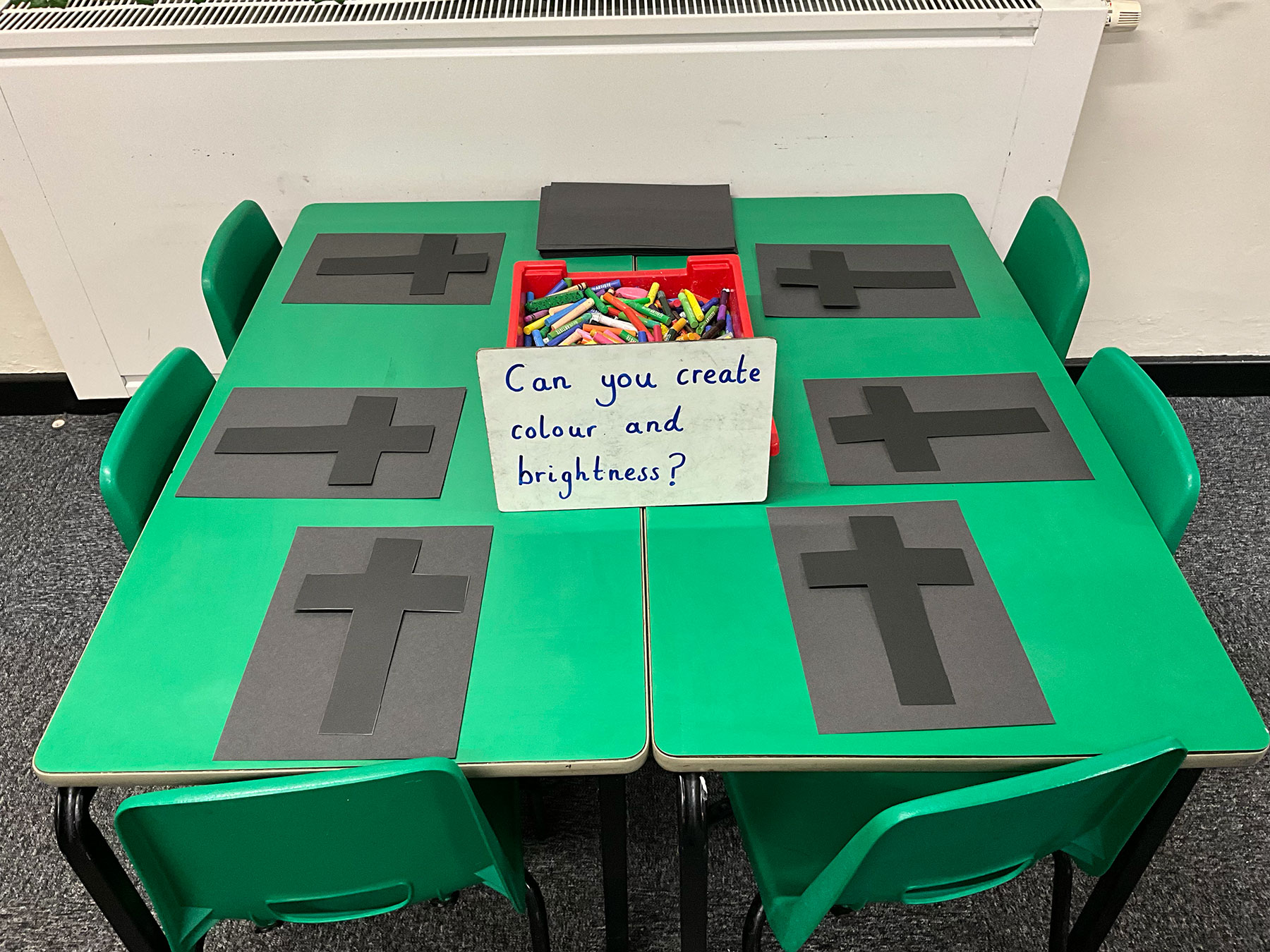
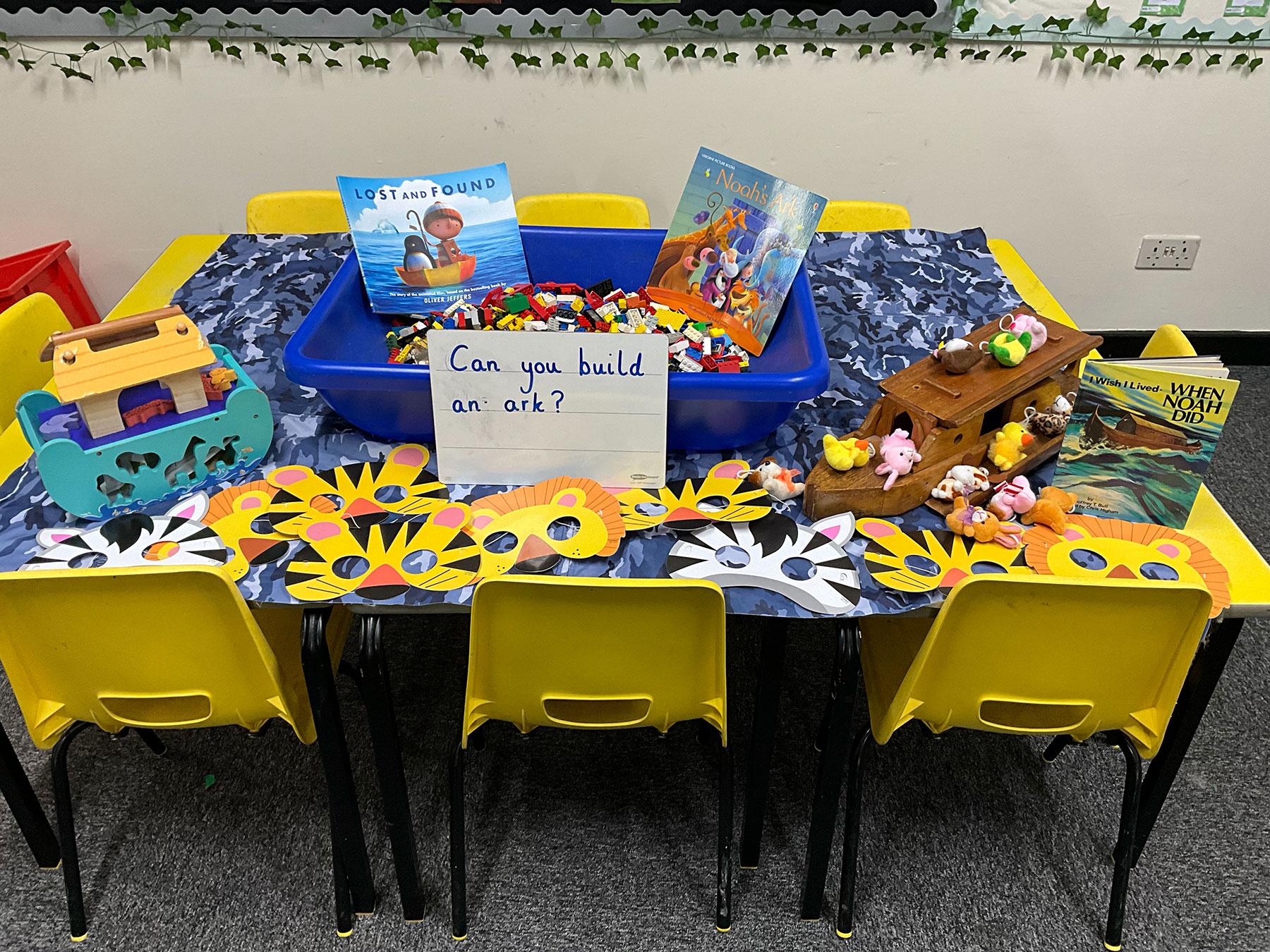
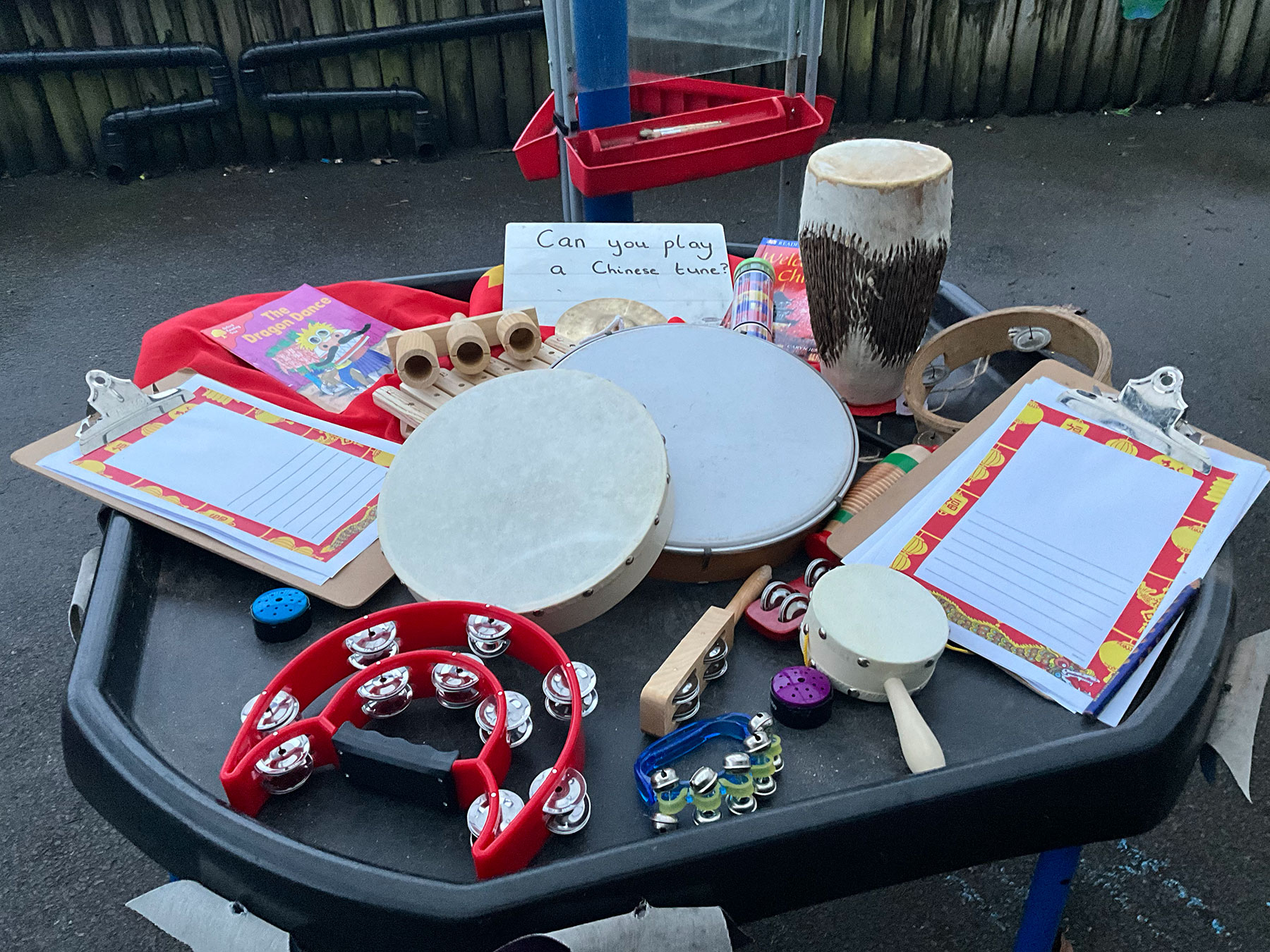
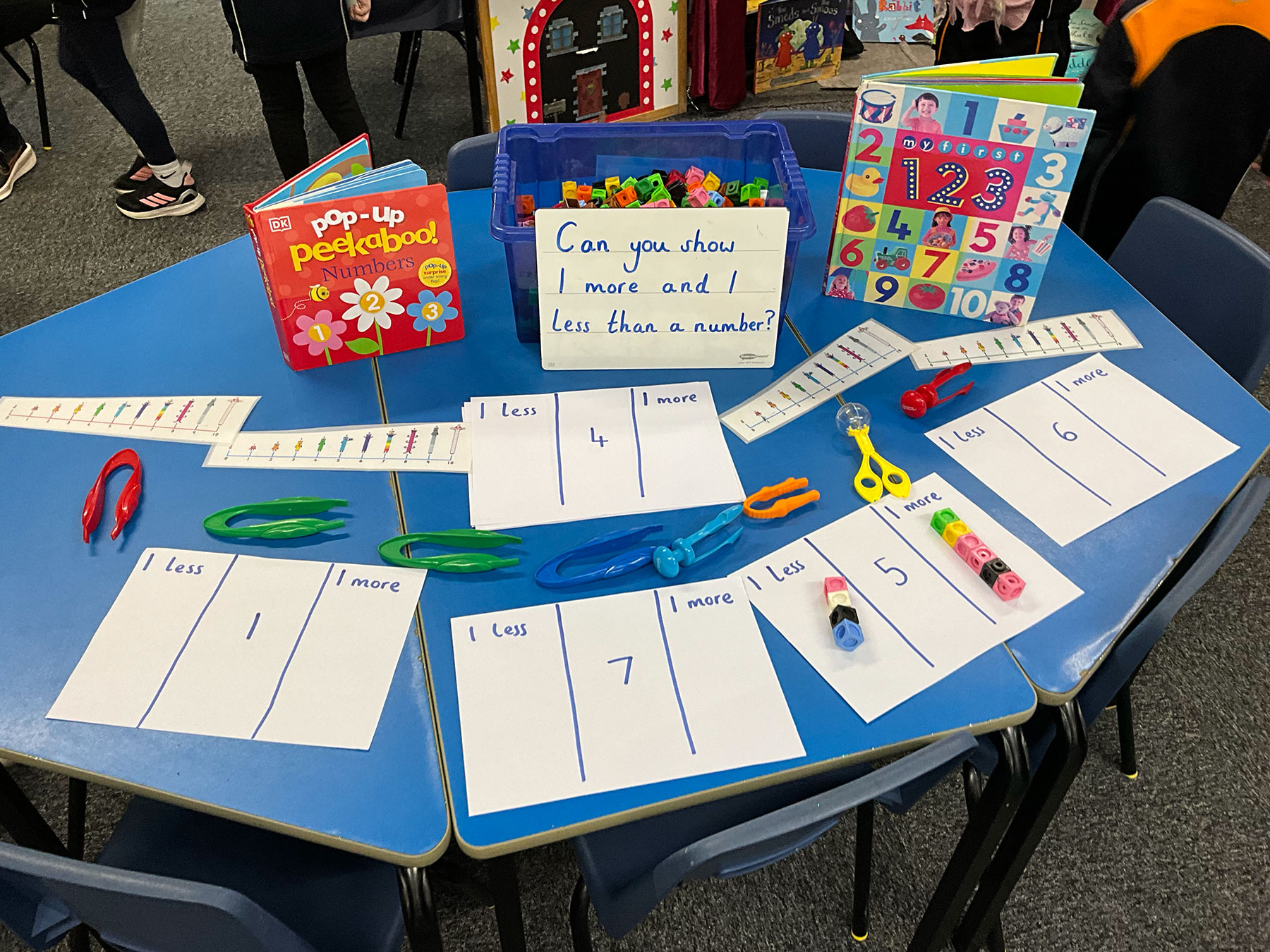
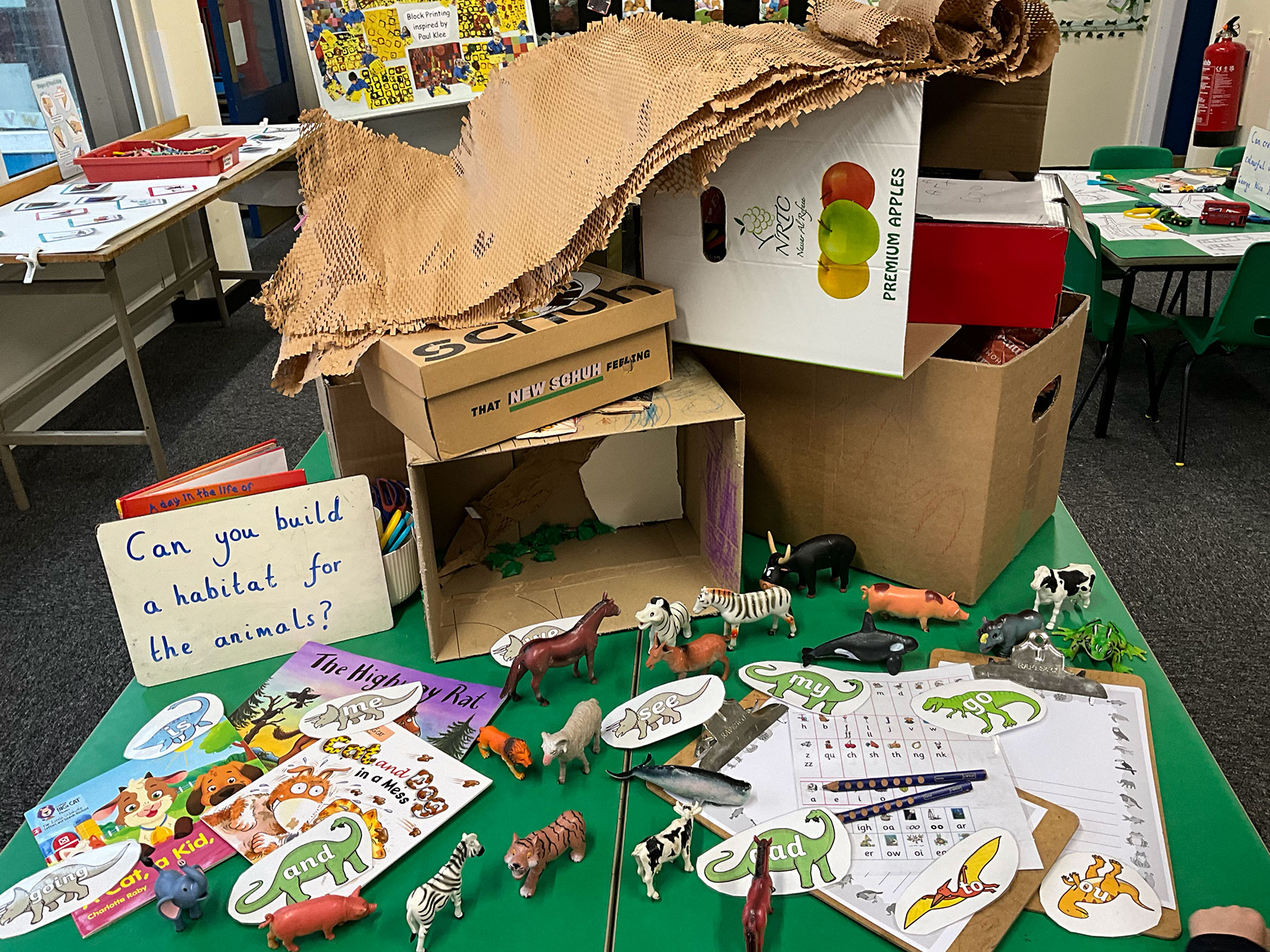
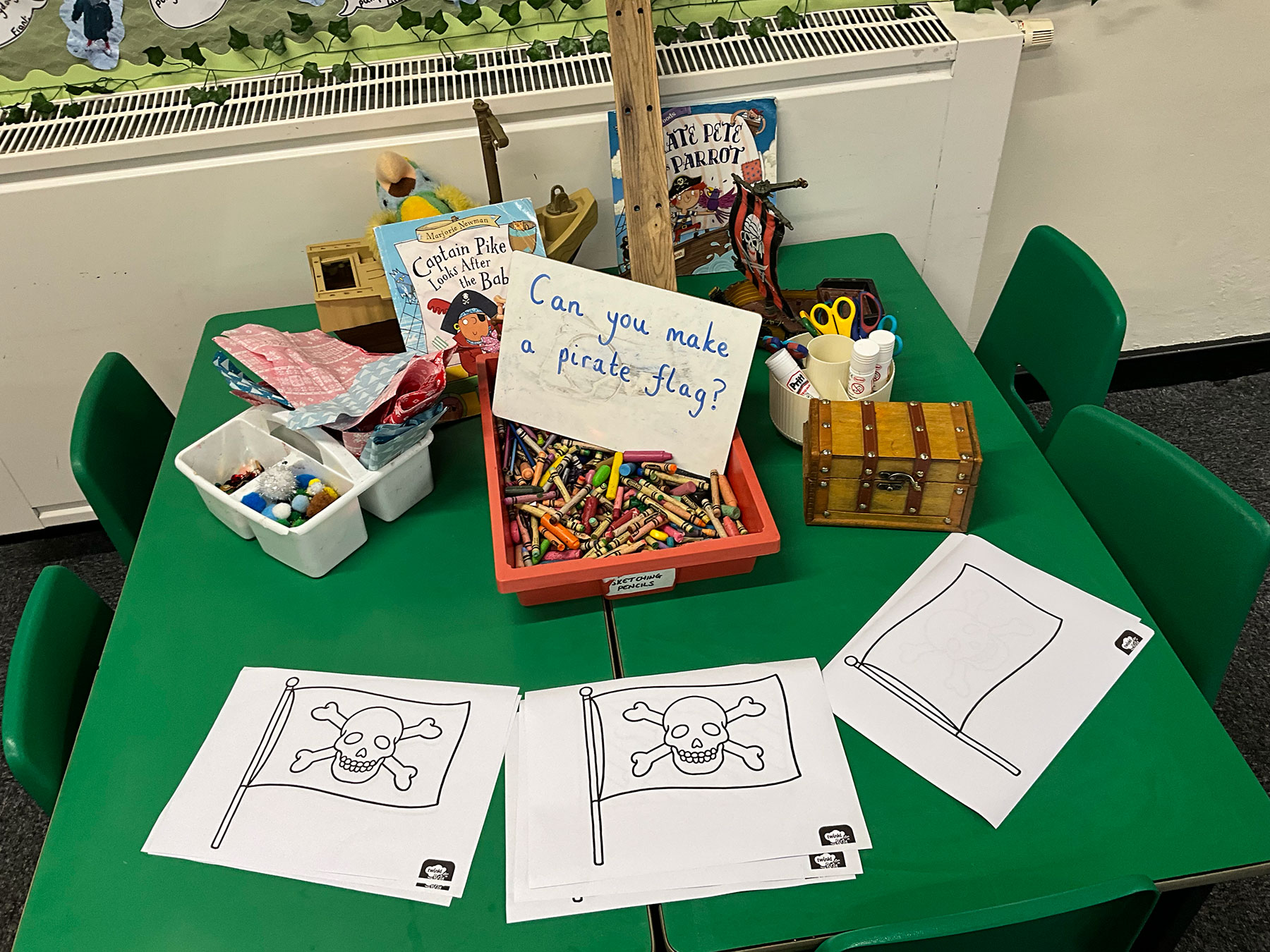
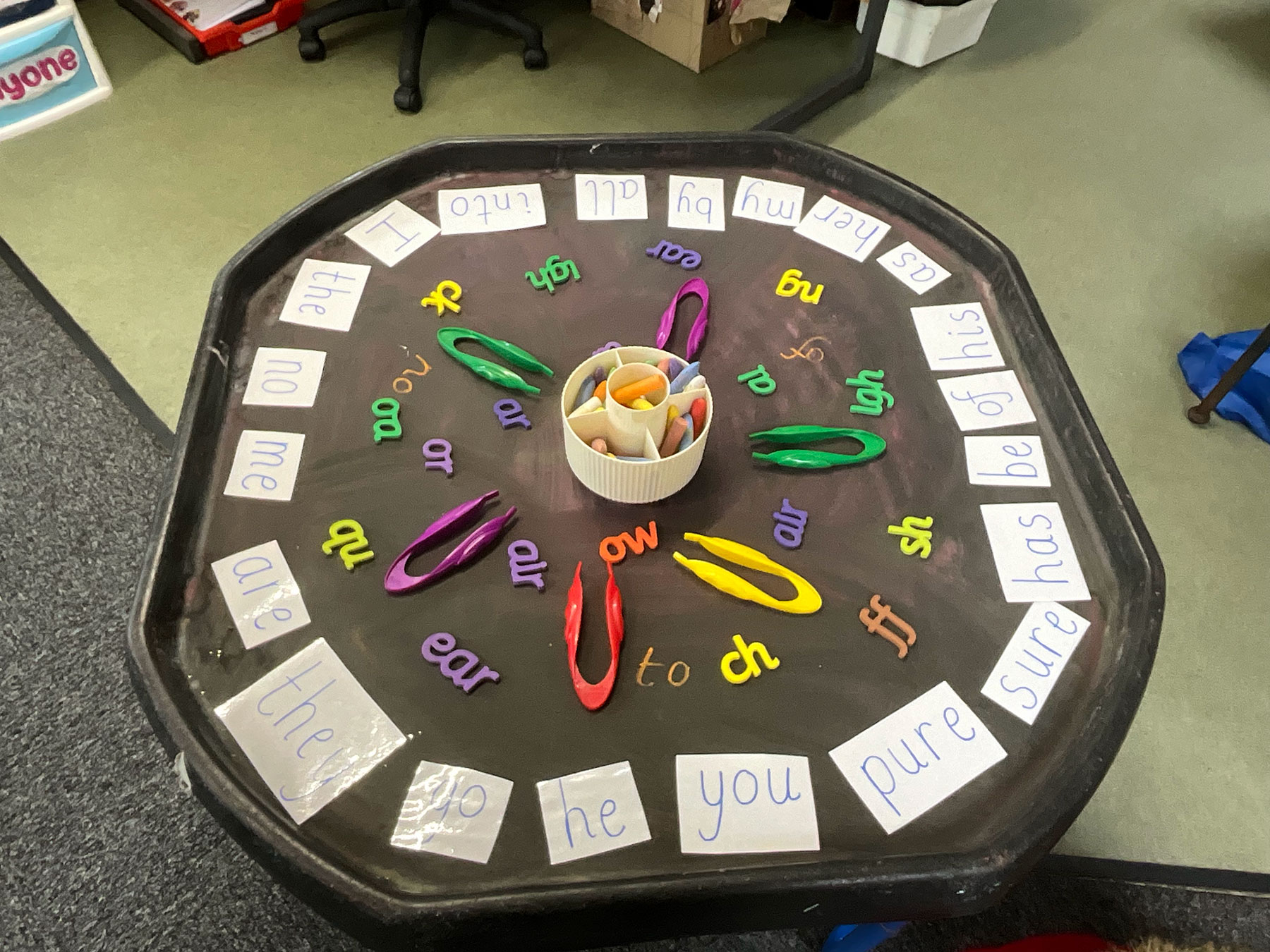
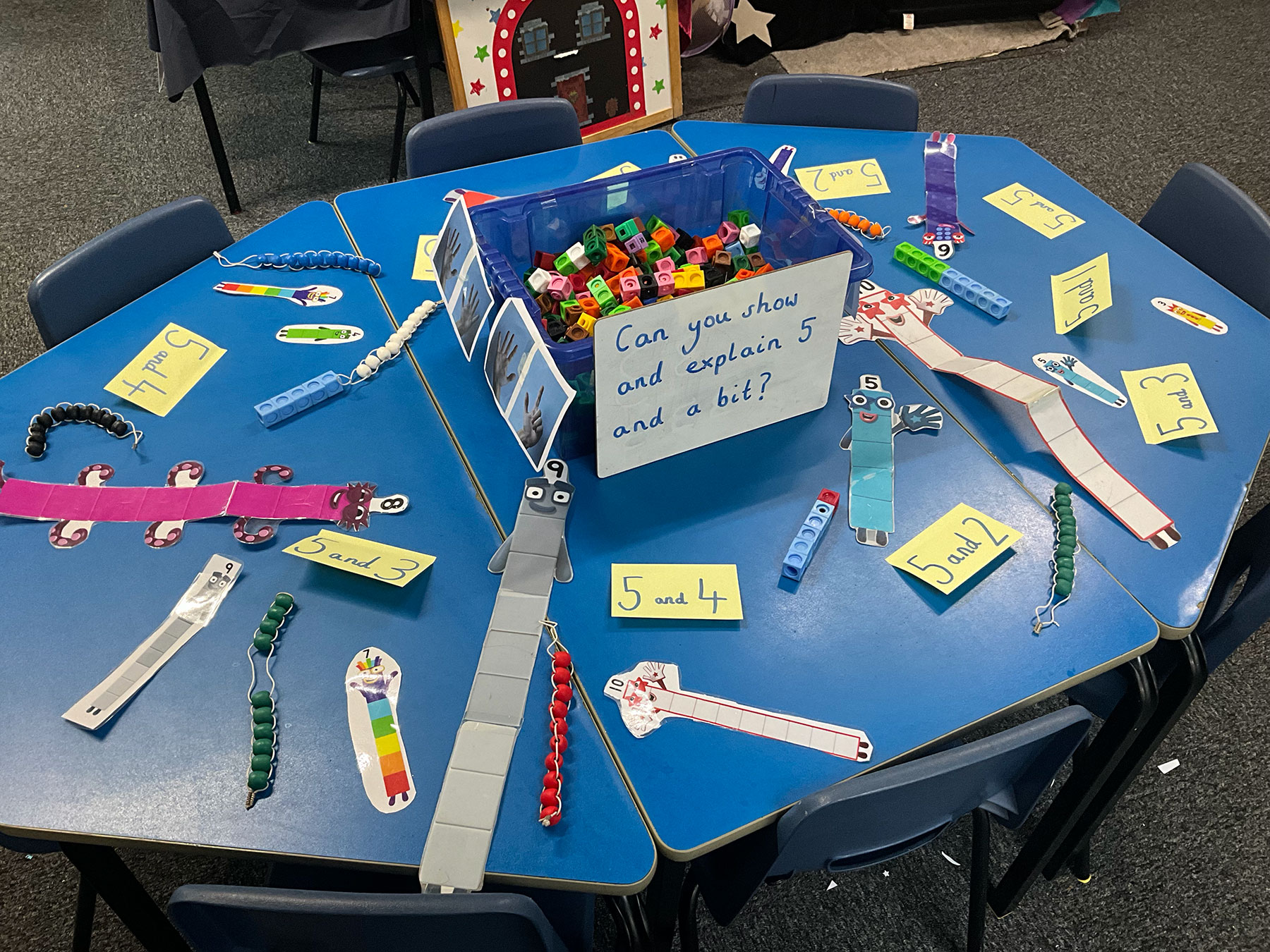
Our Reception classroom:
How learning is planned
- Each half term has a theme and a core text, which give children a meaningful reason to talk, explore and learn.
- Learning is sequenced in small steps, so children build on what they already know and remember it over time.
- New vocabulary is planned for every theme and revisited often.
- Adults observe children every day and use what they see to plan each child’s next steps.
In the classroom
- Phonics, maths, reading and writing are taught directly every day, in short whole-class and small-group sessions.
- Adults play alongside children, asking open questions, modelling language and moving learning on.
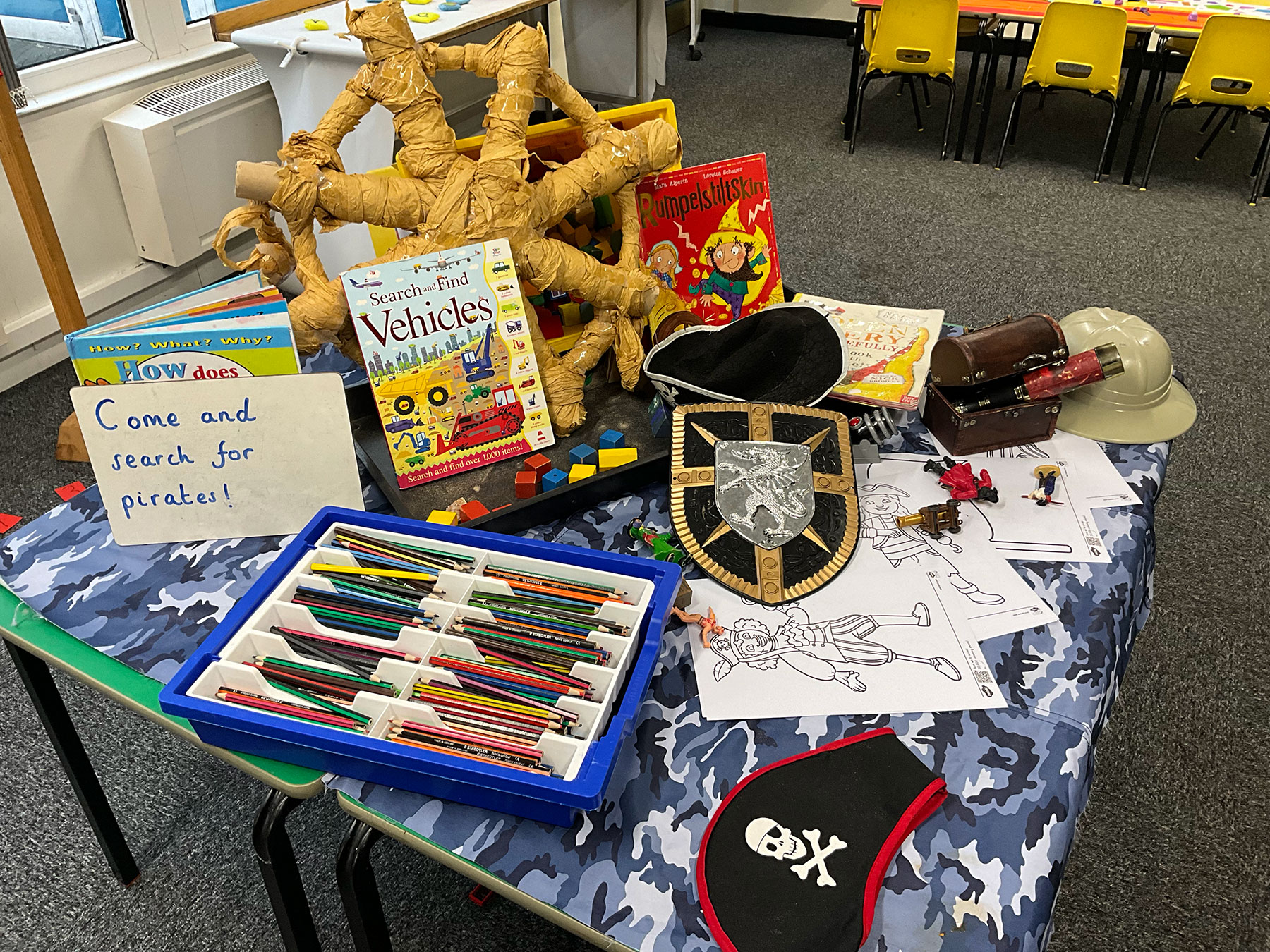
- Indoor and outdoor areas are set up so children can choose resources and practise what they have been taught.
- Children who need extra help are spotted quickly and supported straight away so they keep up.
A typical day in Reception:
8:35
Doors open
A warm welcome and a calm start to the day.
8:45
Register and Warm Up
We say good morning and talk about the day ahead.
9:00
Teaching Input, then learning through play
Our daily Literacy input.
10:00
Fruit snack and songs
Sitting in the classroom café, then on the carpet for song.
10:25
Collective Worship
Coming together to worship, then outdoor play.
11:00
Phonics
Daily Little Wandle Phonics.
11:45
Lunch
Lunch in the hall, then outdoor play.
1:00
Register and story
Whole class story.
1:15
Teaching Input, then learning through play
Our daily Maths input.
2:00
Afternoon snack and story
Snack and story time.
2:15
Teaching Input, then activity
Understanding the World or Expressive Arts and Design.
3:15
Home time
Story, songs, then home.
Key features of our approach:
Communication and language
- Every day: adults hold high-quality, back-and-forth conversations with children throughout the day.
- Stories and rhymes: stories, rhymes, songs and poems are shared daily, with a core text each half term that children hear, retell and explore in depth.
- Early support: children who need extra help with speech and language are identified early, and we work with parents and specialist services to help them.
Phonics and Early Reading
Children have a daily phonics lesson using Little Wandle Letters and Sounds Revised from the start of Reception. They practise reading with Collins Big Cat Little Wandle books matched to the sounds they know, and our volunteer readers hear them read every week. See our Phonics and Early Reading page.
Writing
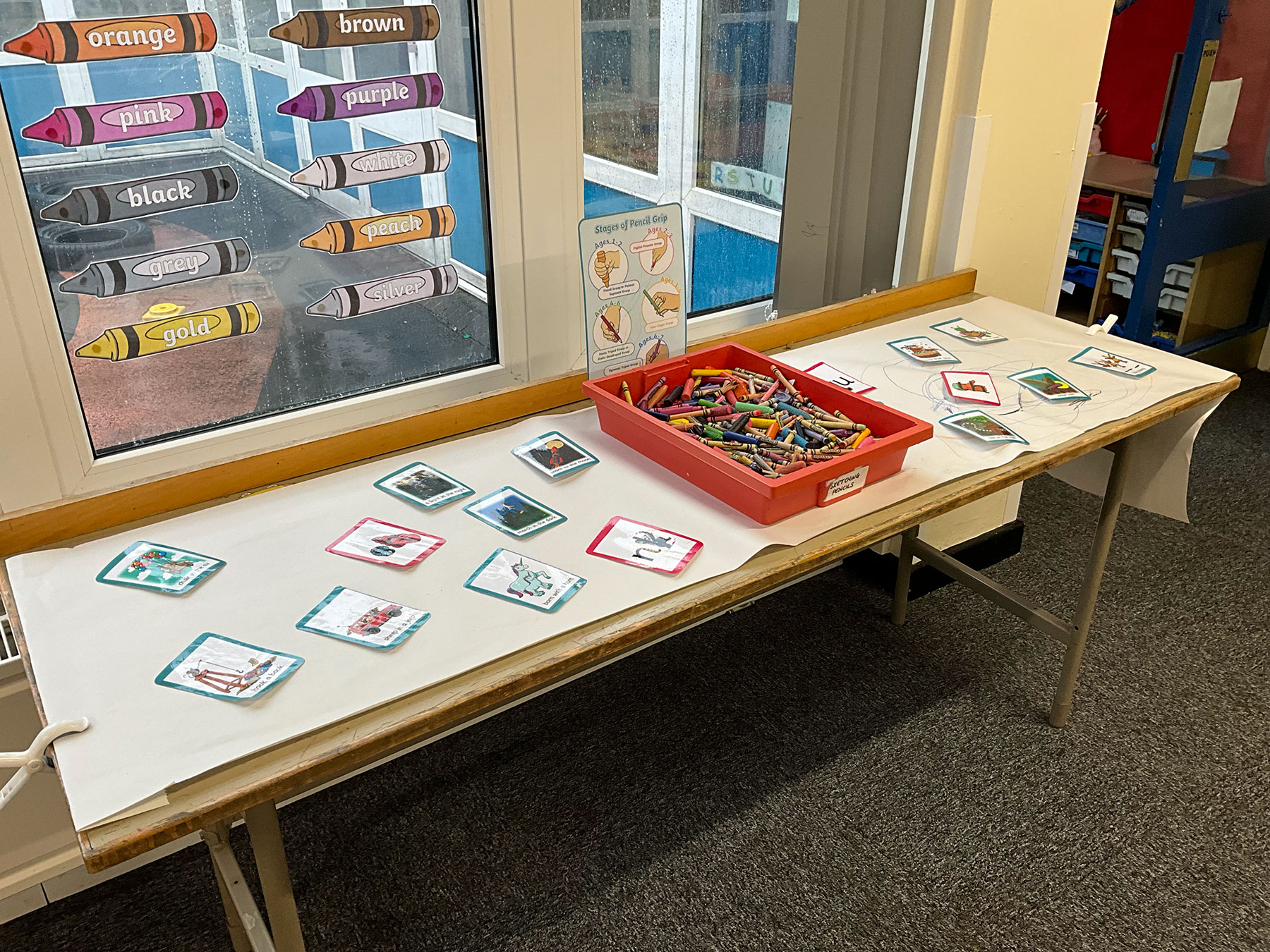
Children build fine motor strength through daily activities, learn to hold a pencil effectively and form letters correctly, then use their phonics to write words, captions and sentences.
Mathematics
Children follow the NCETM’s Mastering Number programme, building secure foundations in counting, cardinality, ordinality and composition of number. See our Maths page.
Learning outdoors
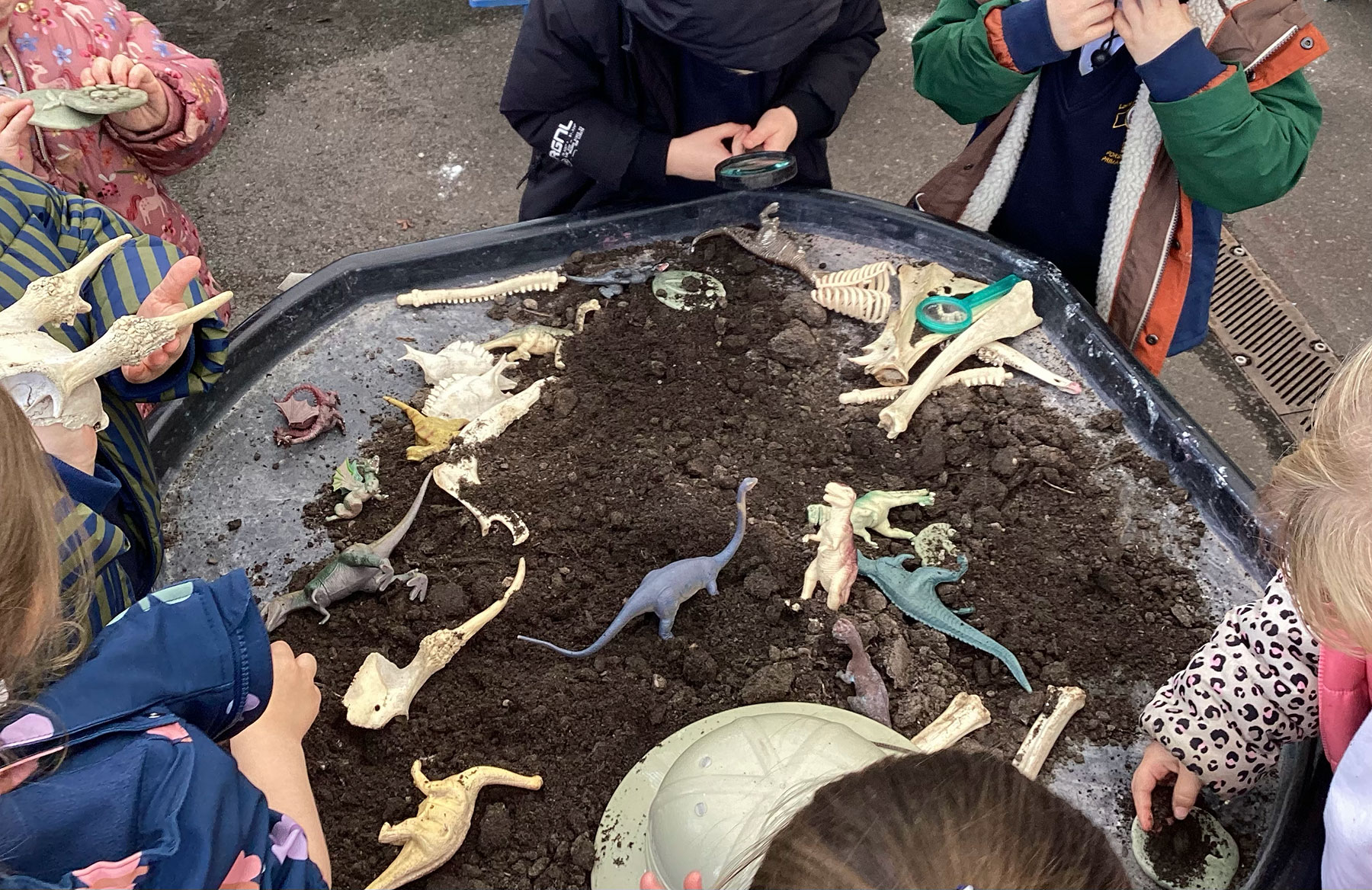
Children learn outdoors every day in our enclosed outdoor area, where all seven areas of learning can be explored on a bigger scale. Physical development is supported through daily physical activity and GetSetforPE sessions twice a week.
Adaptive teaching
Learning is adapted to meet every child’s needs. Children who need extra help are identified early, and the SENCo works with the Reception team and parents to plan support. See our Inclusive Curriculum and Teaching and SEND Information pages.
What difference is this making for our children?
Children settle quickly, grow in confidence and develop strong communication skills that support all their learning. Our GLD (Good Level of Development) is on average in line or above national level. All children make good progress from their starting points and are equipped with the tools they need to flourish in their learning beyond the EYFS.
How we know:
Ongoing assessment
Daily observations, phonics assessments and our bespoke Forsbrook EYFS assessment, updated regularly to check every child is on track.
Statutory assessments
The Reception Baseline Assessment in the first six weeks, and the EYFS Profile at the end of Reception. See our Attainment page.
Pupil voice
“I like doing phonics and reading my books to my mummy”
“I like Counting Colin (our counting puppet), I help him if he makes a mistake”
Enrichment
- Our first nativity play, performed to the whole school
- Annual Fireworks Event and Christmas Market
- Nursery Rhyme Day and Bedtime Stories with our Pre-School friends
- Weekly reading with our volunteer readers
- Engaging school trips – Apple Tree Town and Lower Drayton Farm
Partnership with Parents, Pre-School and Year One Teacher
Parents are their child’s first and most important educators. We keep in close touch through ClassDojo, where we share messages, news and examples of children’s learning, as well as our open-door approach at the start and end of the day, parents’ evenings and our half-term overviews.
The Reception Class Teacher meets each child and their key worker in their nursery setting prior to them starting school. Home visits are also offered to any child that does not attend a nursery. Every half term, our Pre-School friends from Forsbrook Nursery meet up with our Reception class, so the classroom, adults and routines are already familiar before they start school. Three additional transition sessions are offered to all children, these enable children to become familiar with the Reception Team, classroom and to meet their new friends.
At the end of Reception, we share each child’s achievements and next steps with their Year One teacher so that they move on smoothly.
Documents
Policies
Half Term Overviews
NCETM Mastering Number